

Full-Service eCommerce Agency
We are a leading eCommerce web design company that builds custom online stores designed to drive traffic, convert shoppers and scale with your business.
- eCommerce Web Design & Development
- eCommerce Integrations & Custom Features
- Digital Marketing & Conversion Optimization


Request a free Quote
Let’s create something AMAZING together
"*" indicates required fields










our work
Featured eCommerce Web Design Projects
We build eCommerce experiences that turn browsers into buyers. Explore our work across platforms and industries.
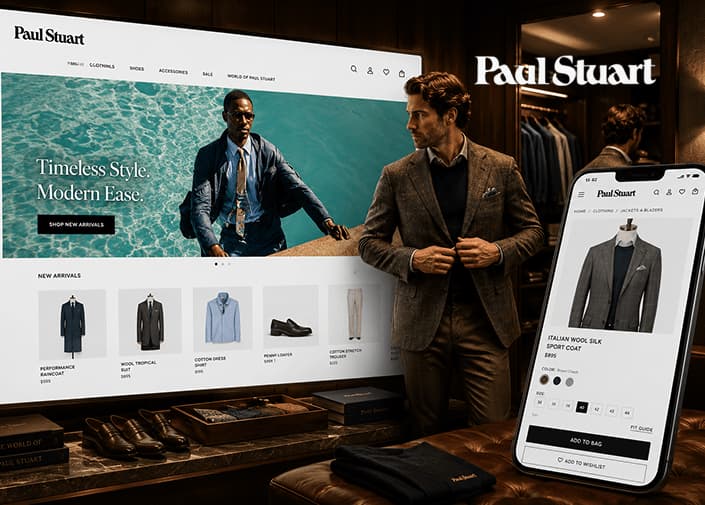
Paul Stuart – Refined Tailoring, Now Matched By A Refined Checkout
Paul Stuart has outfitted American men since 1938, known for suits tailored with the same precision as its custom shirt program.
The shopping experience was rebuilt around clean navigation and a streamlined checkout, letting product photography carry the weight of the brand’s craftsmanship.
Every step from browsing to checkout now reflects the same precision the brand is known for in its tailoring.
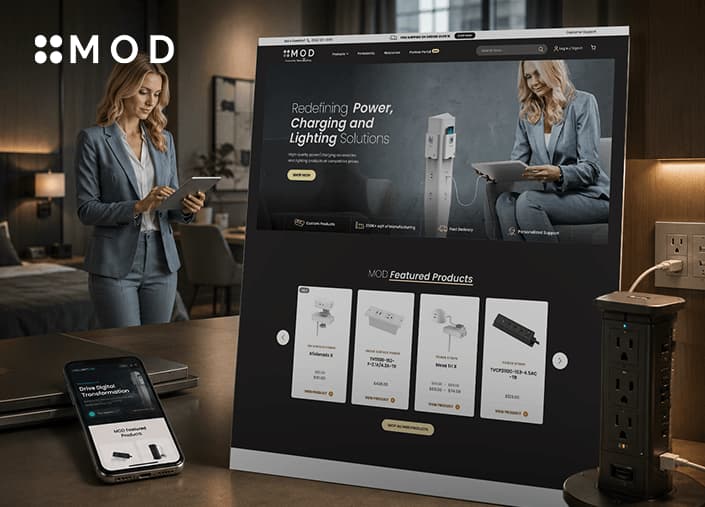
MOD – Turning A Complex B2B Catalog Into A Simple Storefront
MOD, formerly known as National Lighting, has supplied power and lighting solutions to the furniture industry for more than 25 years.
We rebuilt the site architecture and eCommerce integrations from scratch, turning a catalog full of specs and configurations into something buyers could actually browse without calling sales first.
The storefront now guides buyers toward a decision instead of just listing what’s available.
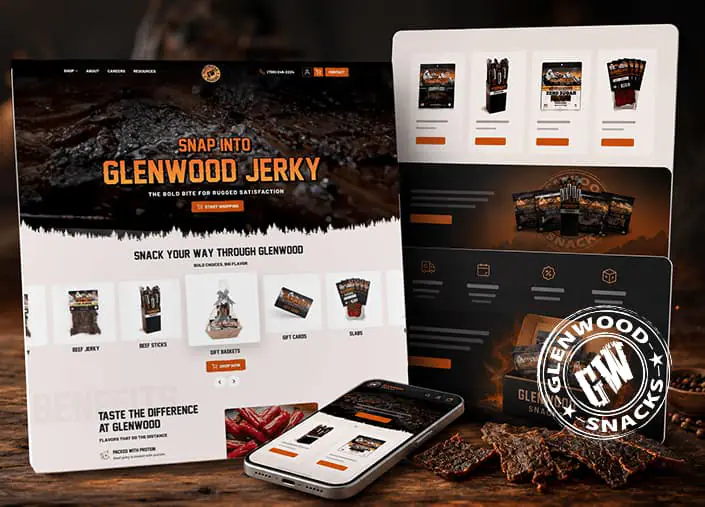
Glenwood Snacks – Retail and wholesale, unified on one platform
Glenwood Snacks has sold premium dried meat snacks since 1975.
Its Squarespace site couldn’t keep up, so Digital Silk migrated it to WooCommerce for both retail and wholesale.
Subscriptions now let repeat customers auto-reorder, adding recurring revenue.
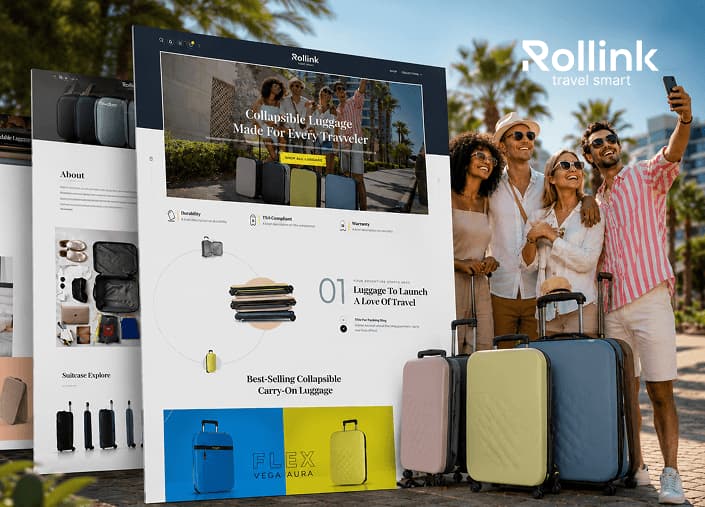
Rollink – Bringing The World’s Slimmest Luggage To U.S. Shoppers
Rollink is known internationally as the maker of the world’s slimmest collapsible luggage, sold across more than 25 countries.
Entering the U.S. market meant building the brand from scratch there: website, positioning, marketing and SEO, with micro-animations showing the product folding down on every page.
Revenue grew fivefold after launch, and the brand reached 700,000 new customers in the process.
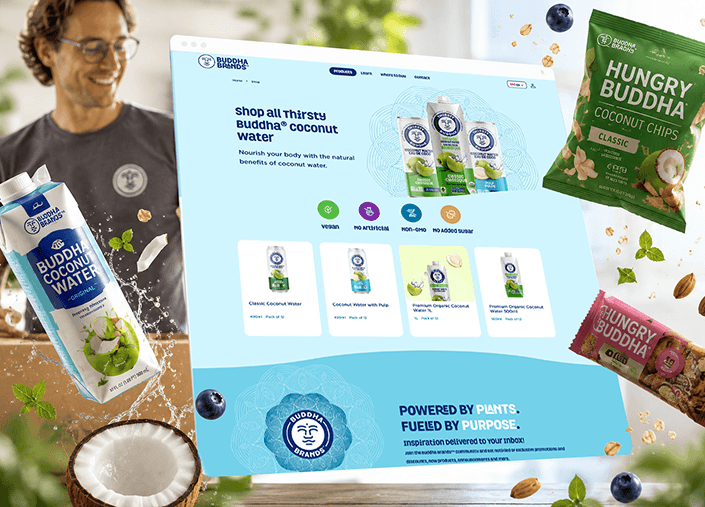
Buddha Brands – A vibrant snack brand, with a functional eCommerce experience
Buddha Brands makes plant-based, vegan-certified snacks sold in major markets across North America.
Digital Silk built a custom eCommerce site where color and layout carry the same personality as the packaging.
Micro-animations give each product page the same vibrancy shoppers already know from stores.
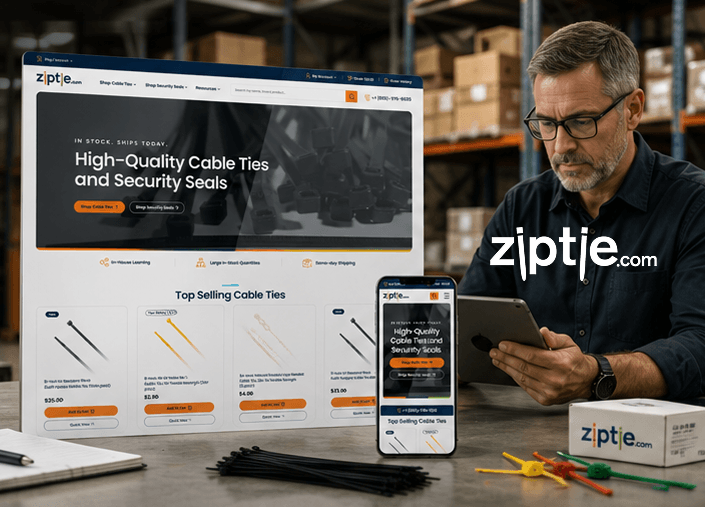
Ziptie – Sharper category pages that turned browsers into buyers
ZipTie sells electrical and industrial supplies, where browsing speed directly affects conversions.
Our team rebuilt category pages for faster navigation and made cart actions instant.
Conversions rose 353%, add-to-cart rose 519%, and abandonment dropped by more than half in 30 days.
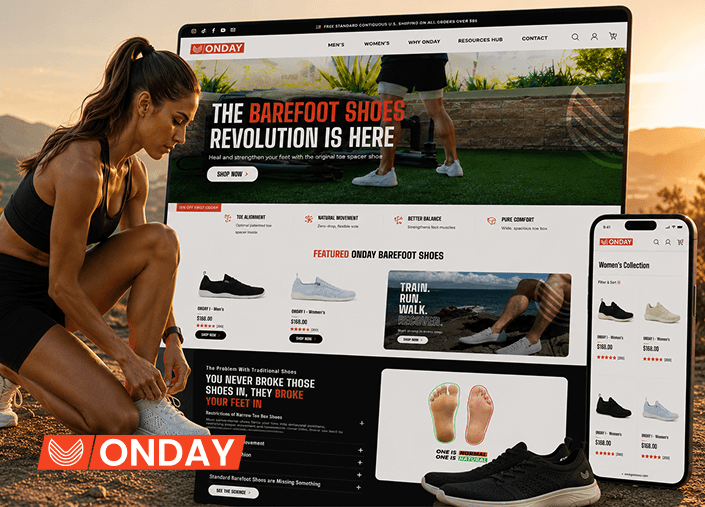
ONDAY – Barefoot shoes, explained clearly at the point of purchase
OnDay makes barefoot shoes built around a patented toe-spacer insole and a zero-drop sole.
Since the concept is unfamiliar to most buyers, Digital Silk structured product pages to explain it clearly alongside sizing.
Men’s and women’s collections stay separate while education stays accessible from every page.
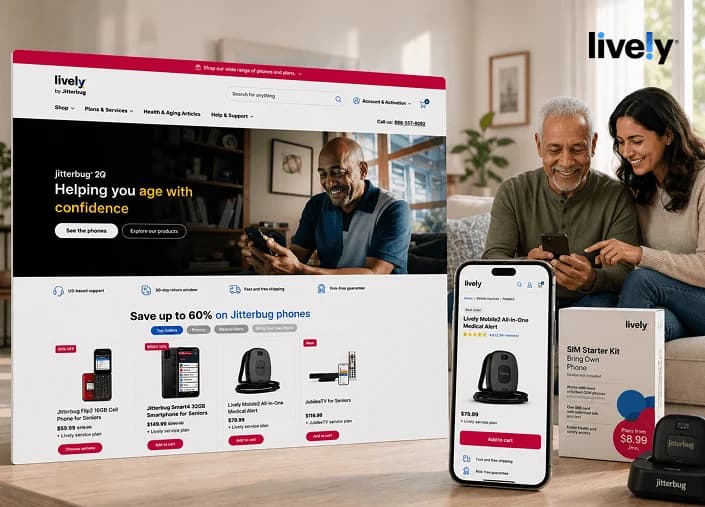
Lively – Designing A Checkout Built For Every Comfort Level
Lively, part of Best Buy Health, sells medical alert devices and senior-friendly phones designed to support independent living.
We rebuilt product discovery and checkout with larger tap targets and simplified layouts, removing friction for customers less familiar with buying online.
Fewer steps and clearer choices mean shoppers get from browsing to a completed purchase without second-guessing themselves.


our clients
eCommerce Web Design Company For Growing Online Brands
Brands of every size trust us to design online stores that stand out and sell.

IBM

Northwestern University

Paul Stuart

Rollink

Spar & Bernstein

ZipTie
Babies R Us
Xerox

Absolute Dogs

Mitsui Plastics

Puma Energy
Enchant Christmas
Grenco Science
Website Design Services for eCommerce
No two online stores are the same. Some need to be built from scratch, others need a platform migration or a full redesign.
Templates may get you started faster, but custom designs get you results.
We don’t use generic themes. Instead, our eCommerce website design company builds every page, layout and feature around your products, your customers and how they shop.
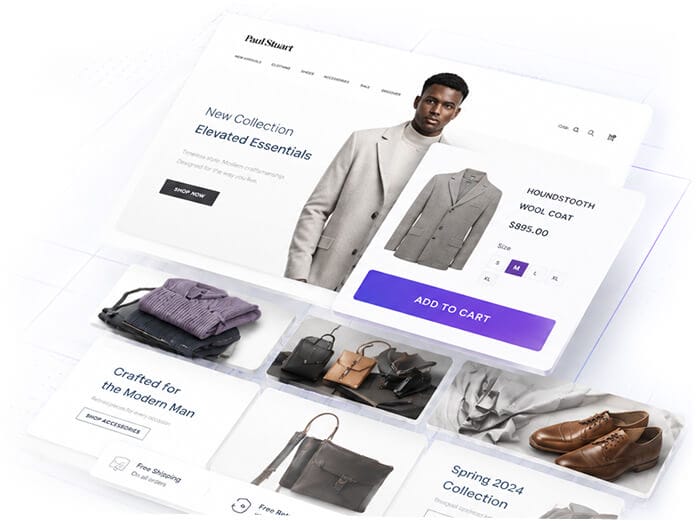
A visit that doesn’t convert is a UX problem, not a traffic problem.
We map where visitors drop off, which pages underperform and which steps in checkout create friction, then rebuild those specific points.
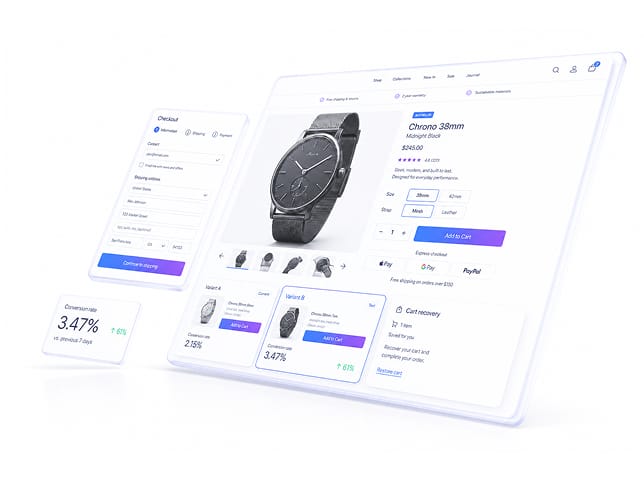
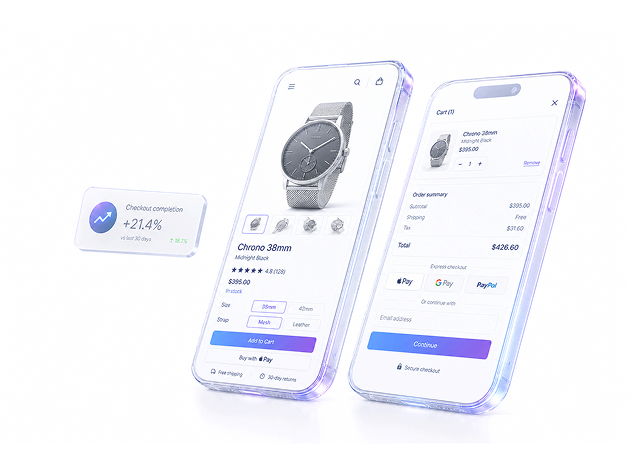
More than half your traffic is probably on a phone, so design decisions start there.
Product imagery, filters, cart and checkout are built for smaller screens from the start, with load speed and thumb-friendly navigation as core requirements.
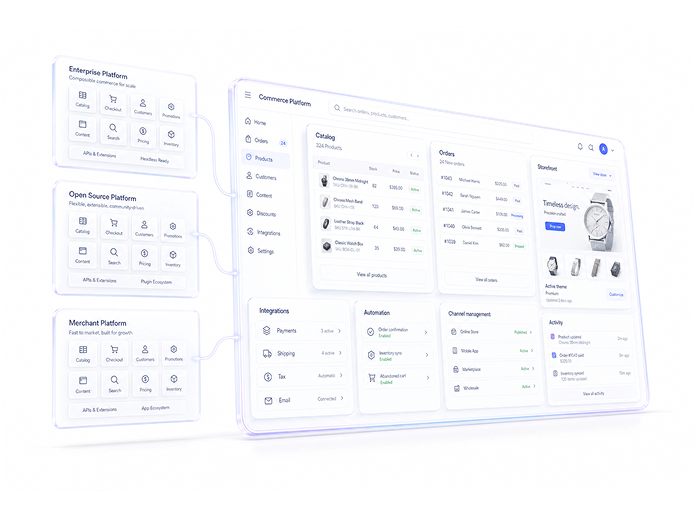
The platform decides what your team can change without calling us, so that choice comes first.
As a certified Shopify Plus partner, we also build on WooCommerce and Adobe Commerce, depending on catalog size, admin needs and integration requirements.
An outdated store doesn’t just look old, it quietly loses sales every day it stays that way.
We rebuild around what’s already working instead of starting from zero, preserving brand recognition while fixing structure, navigation and conversion paths.
YOUR INDUSTRY. YOUR NEXT GROWTH STORY.
Let’s build what comes next.
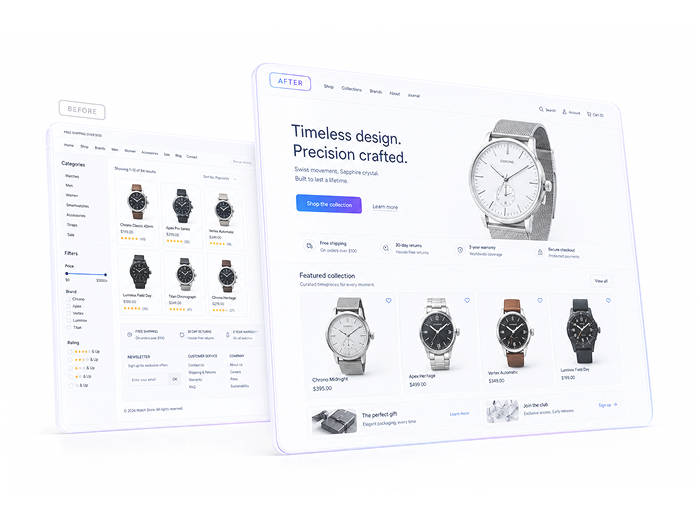
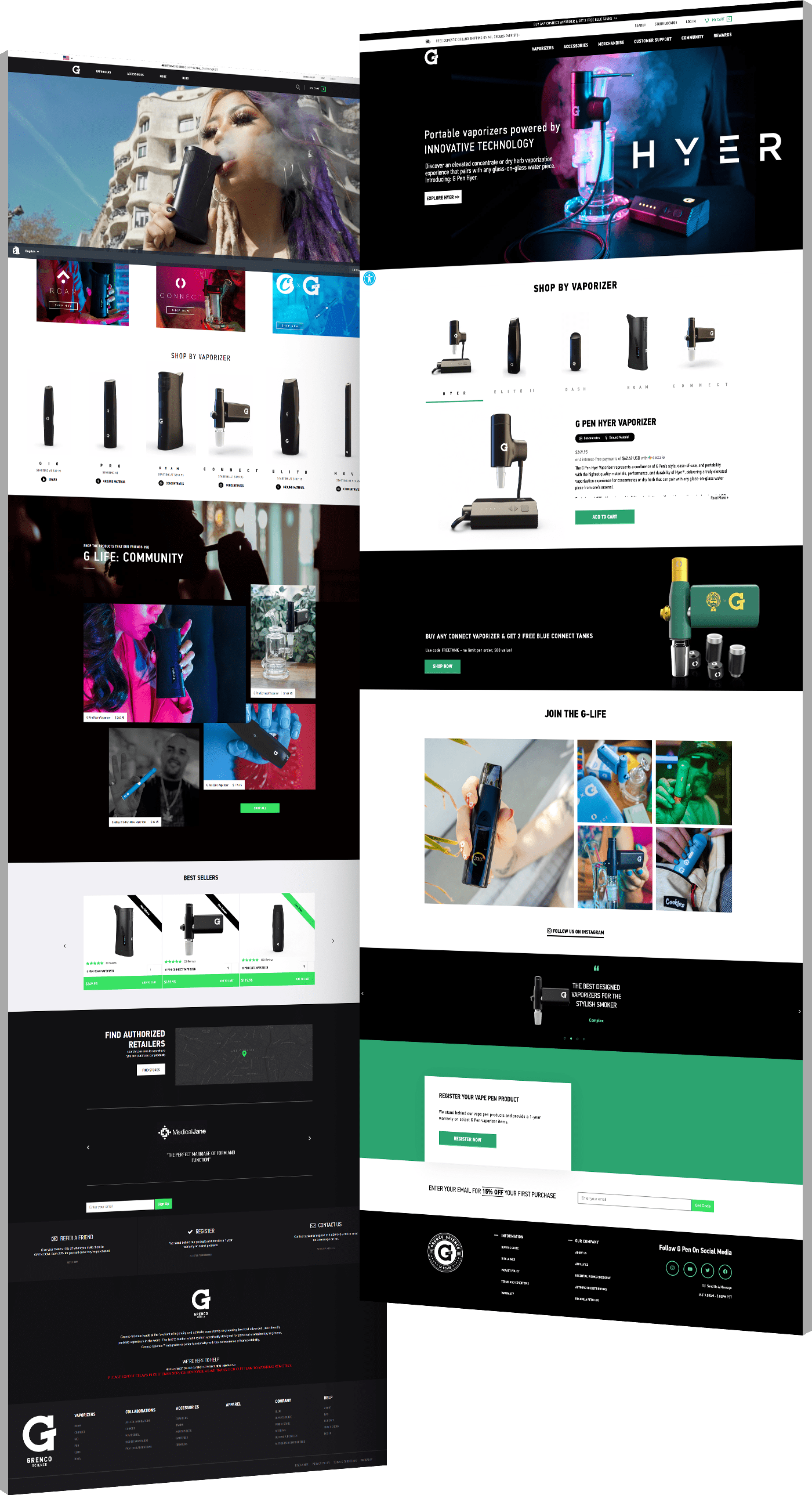
Featured eCommerce Redesigns
We reimagine digital experiences for brands of all sizes and across industries.
Explore our redesign portfolio.
eCommerce Case Studies
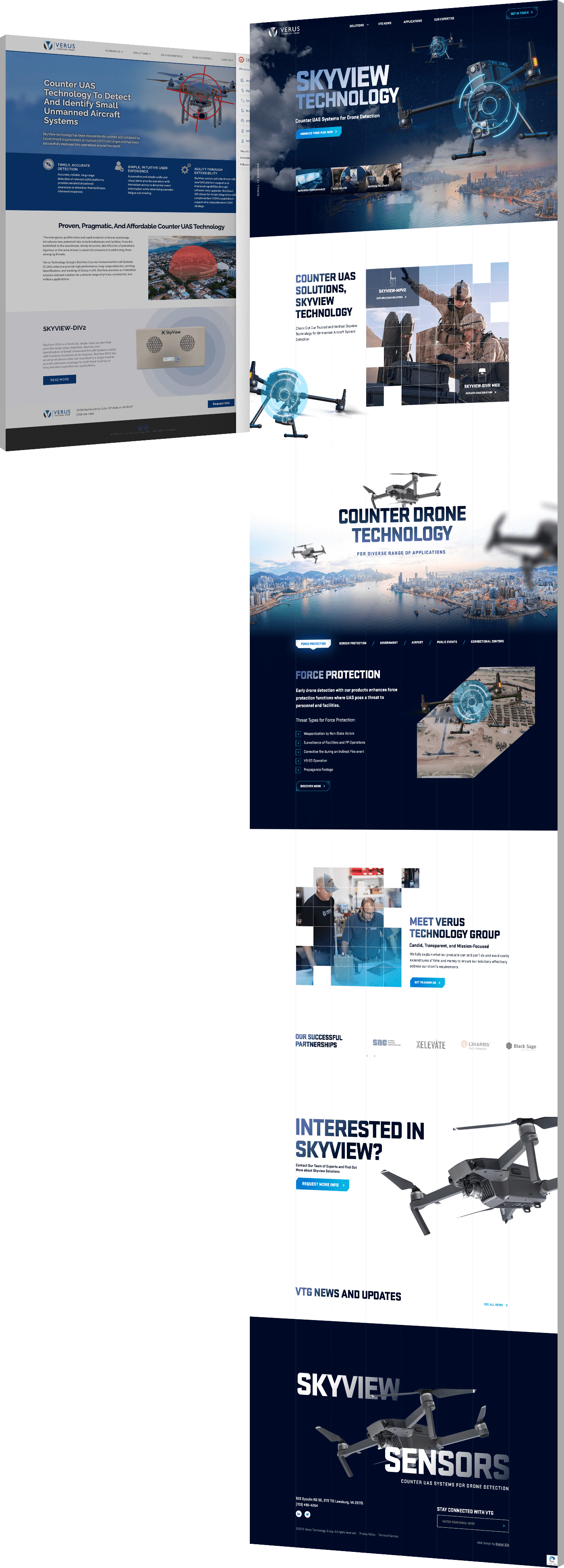
We view web design from a creative and strategic perspective. Every website we create, every element and feature developed for our clients, should not only be stunning – it should also have a purpose.
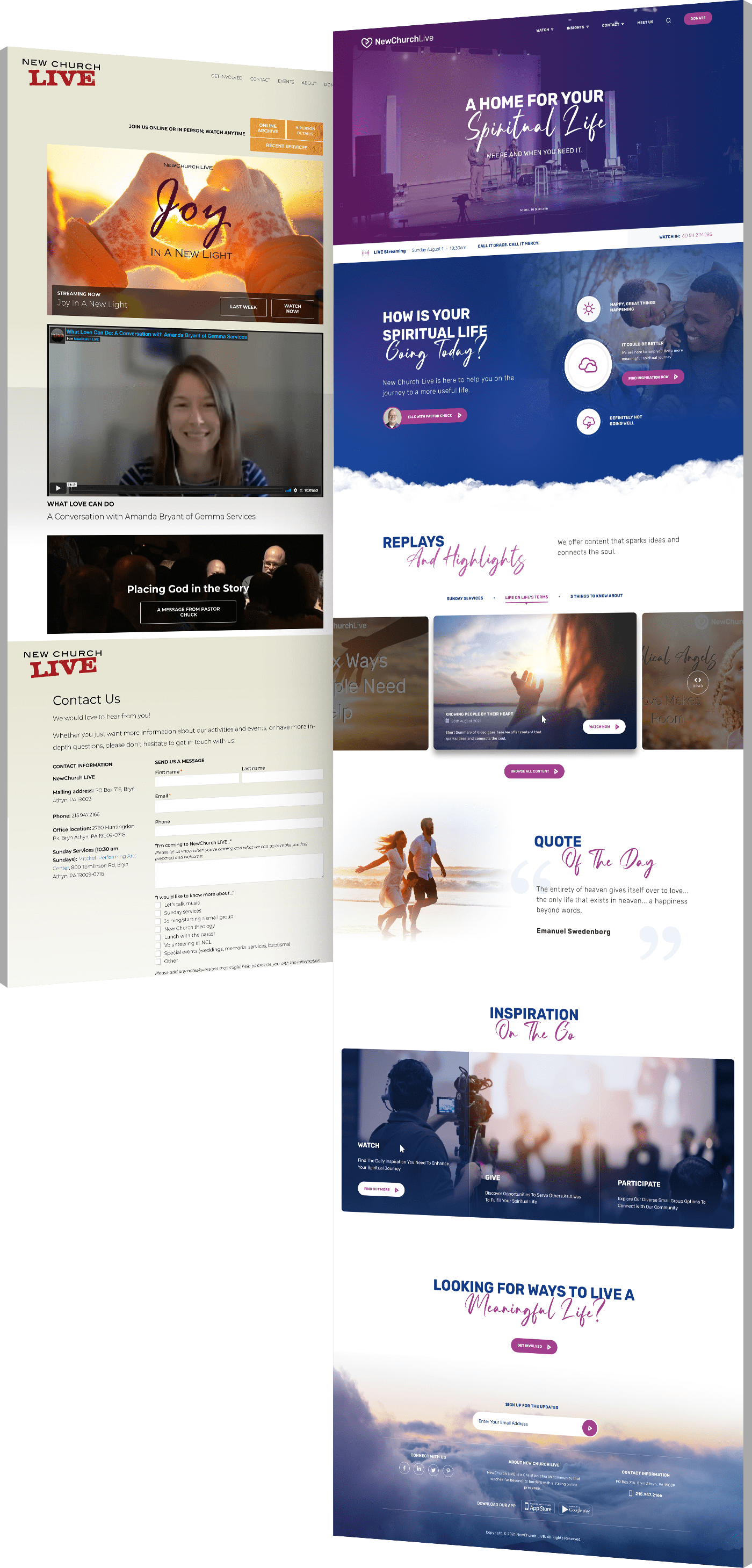
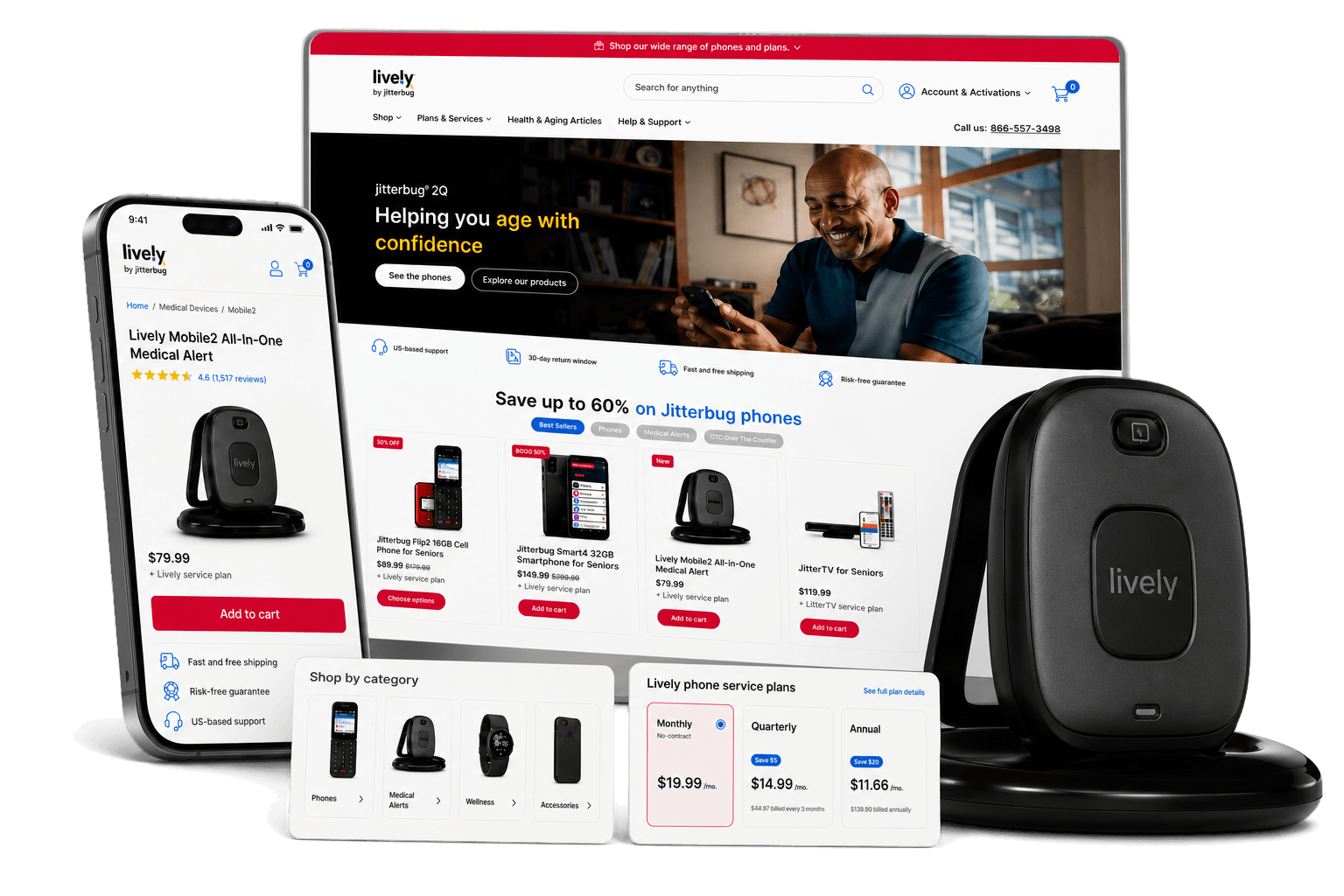
Lively, in partnership with Best Buy Health, offers mobile phones and health devices designed for older adults who want simplicity and safety.
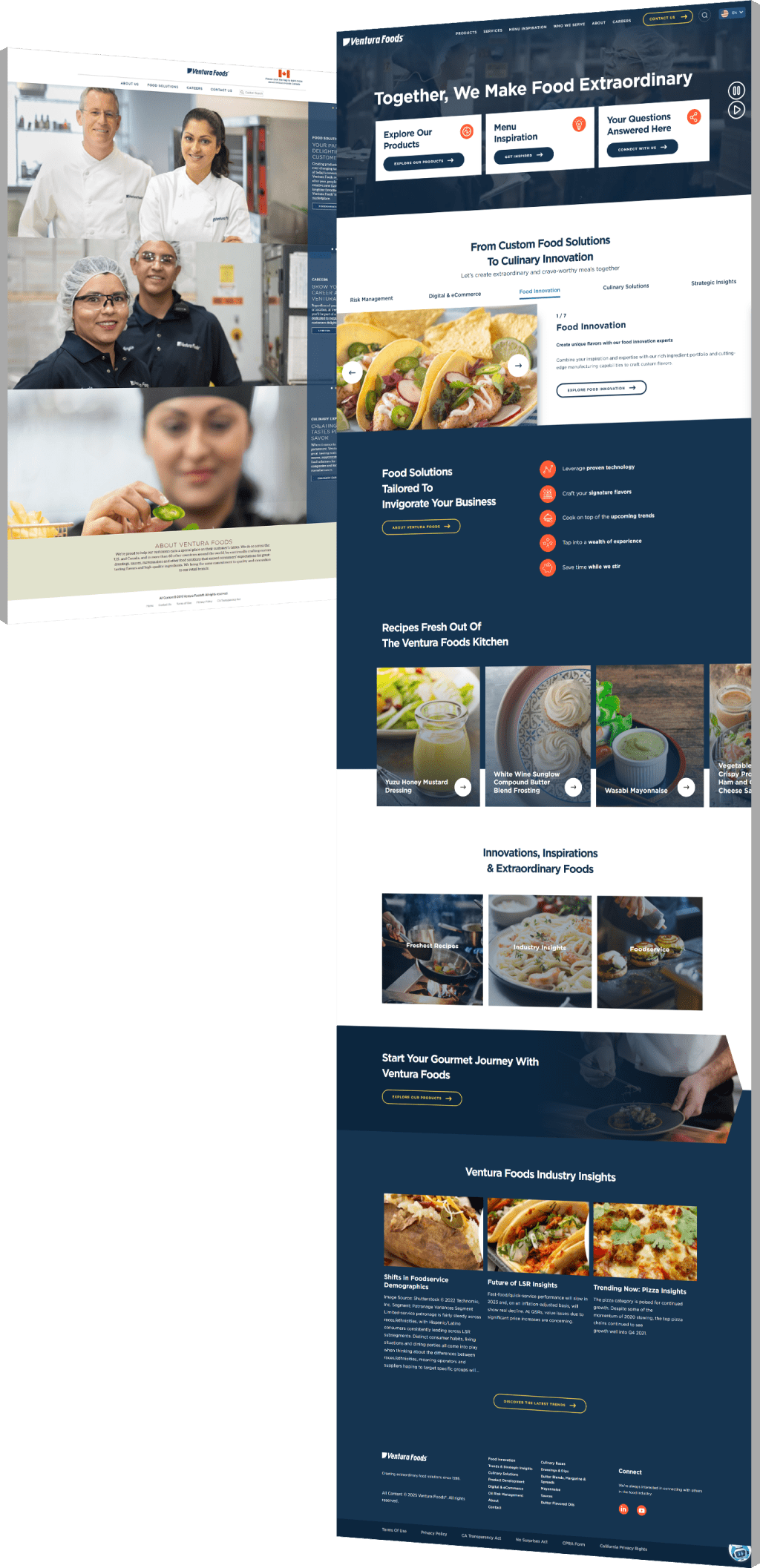
We built the redesign on the site’s existing structure, improving UX, navigation and interactivity while creating a modular design for easier updates and long-term scalability.
We built the redesign on the site’s existing structure, improving UX, navigation and interactivity while creating a modular design for easier updates and long-term scalability.
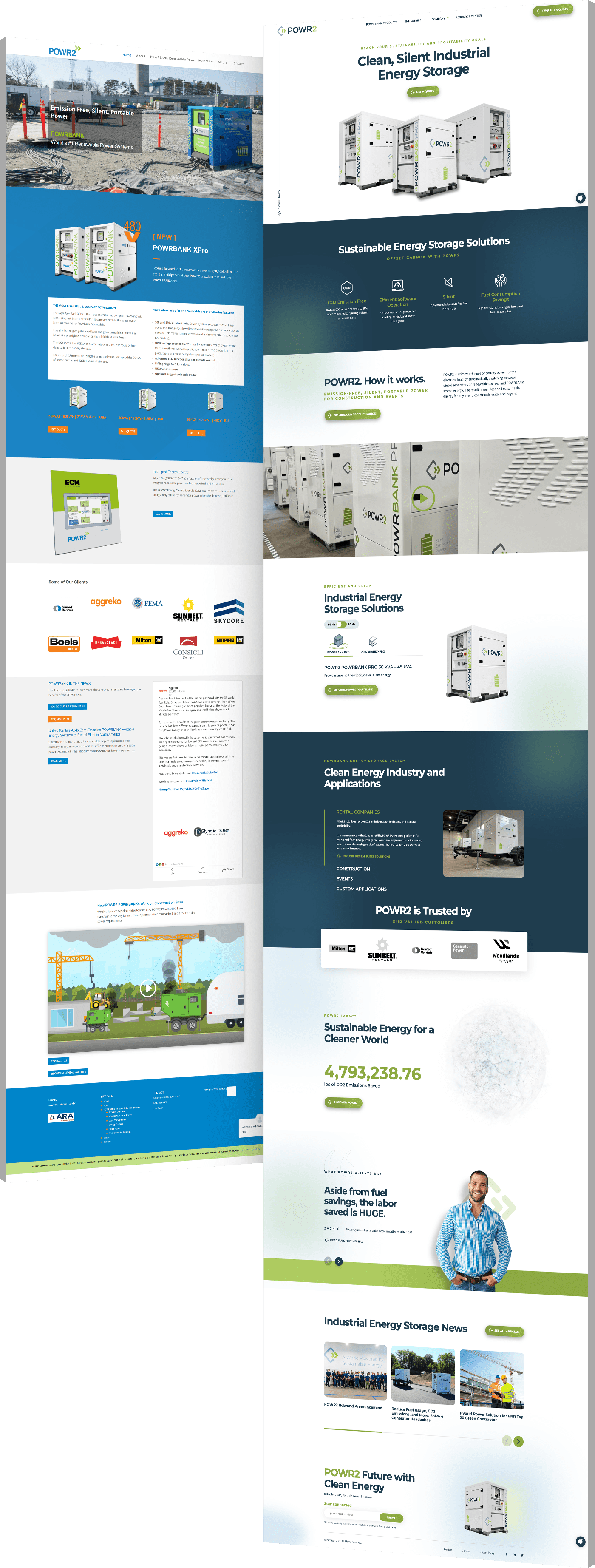
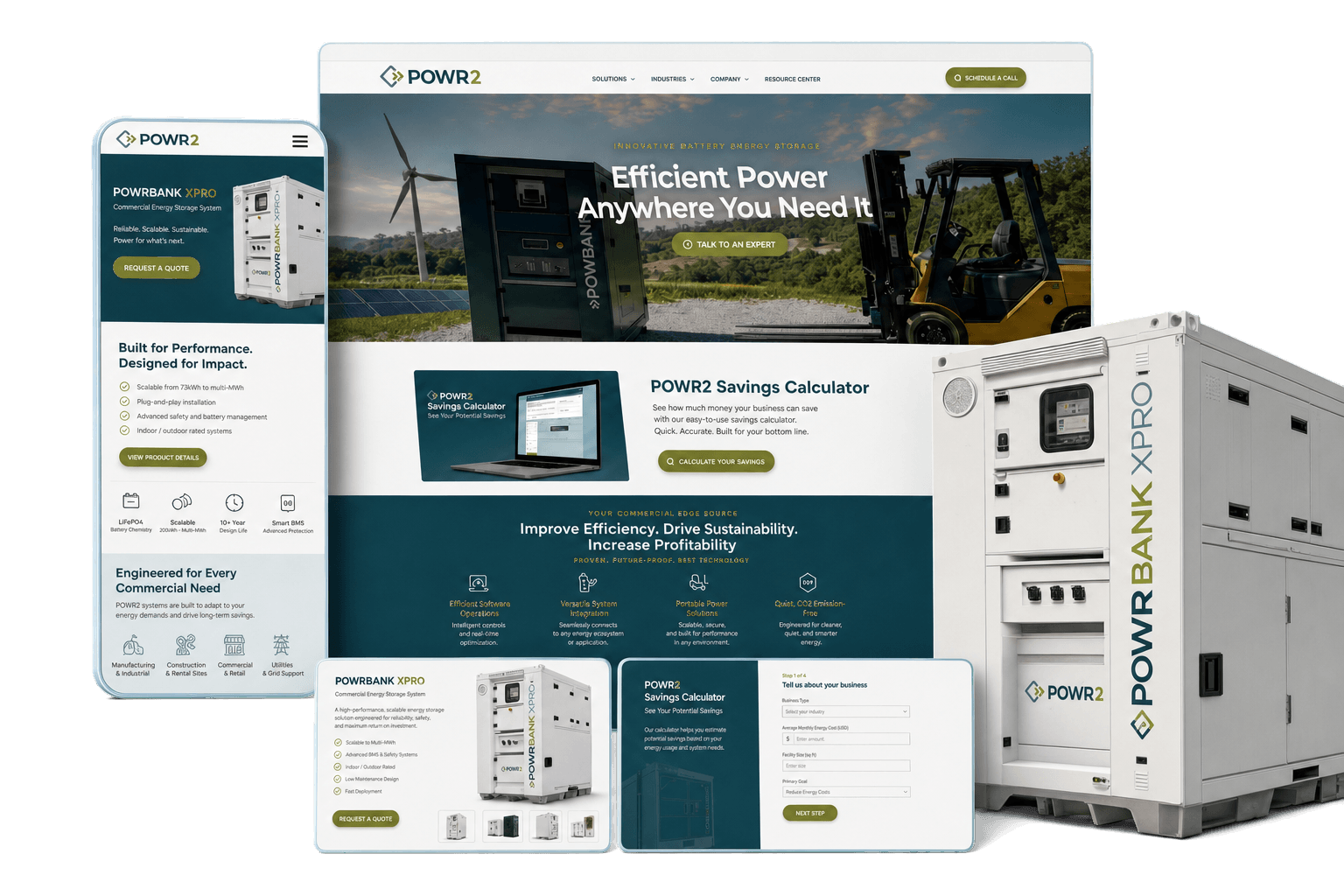
POWR2 builds portable energy storage systems for industries that need power on the move, from film production to disaster relief.
The site was rebuilt around large product visuals and a clearer path to conversion, with a 3D model added to help visitors understand the technology.
The site was rebuilt around large product visuals and a clearer path to conversion, with a 3D model added to help visitors understand the technology.
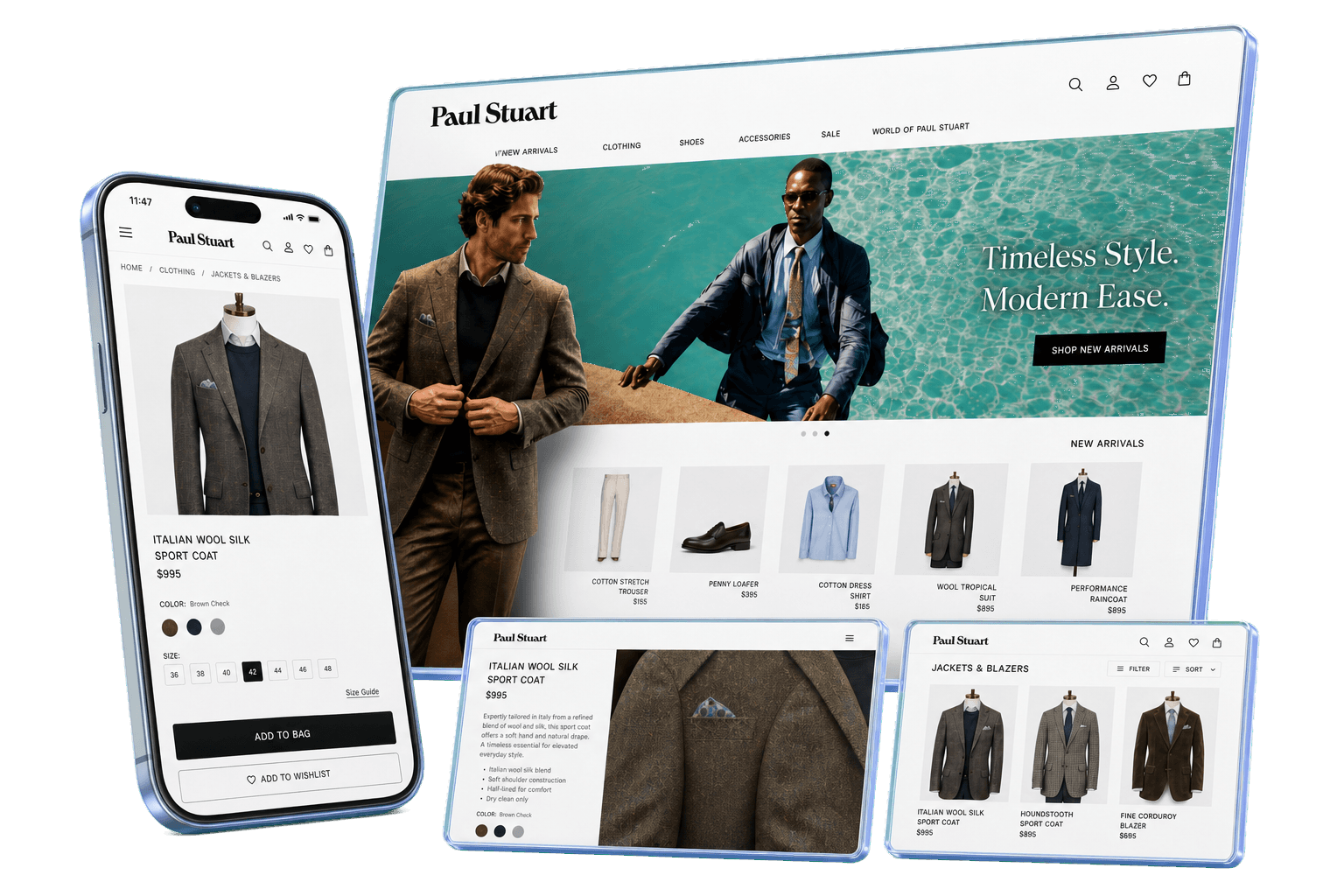
Paul Stuart has outfitted American men since 1938, known for suits tailored with the same precision as its custom shirt program.
Digital Silk focused the shopping experience on clean navigation and streamlined checkout, letting product photography carry the weight of the brand’s craftsmanship.
Digital Silk focused the shopping experience on clean navigation and streamlined checkout, letting product photography carry the weight of the brand’s craftsmanship.
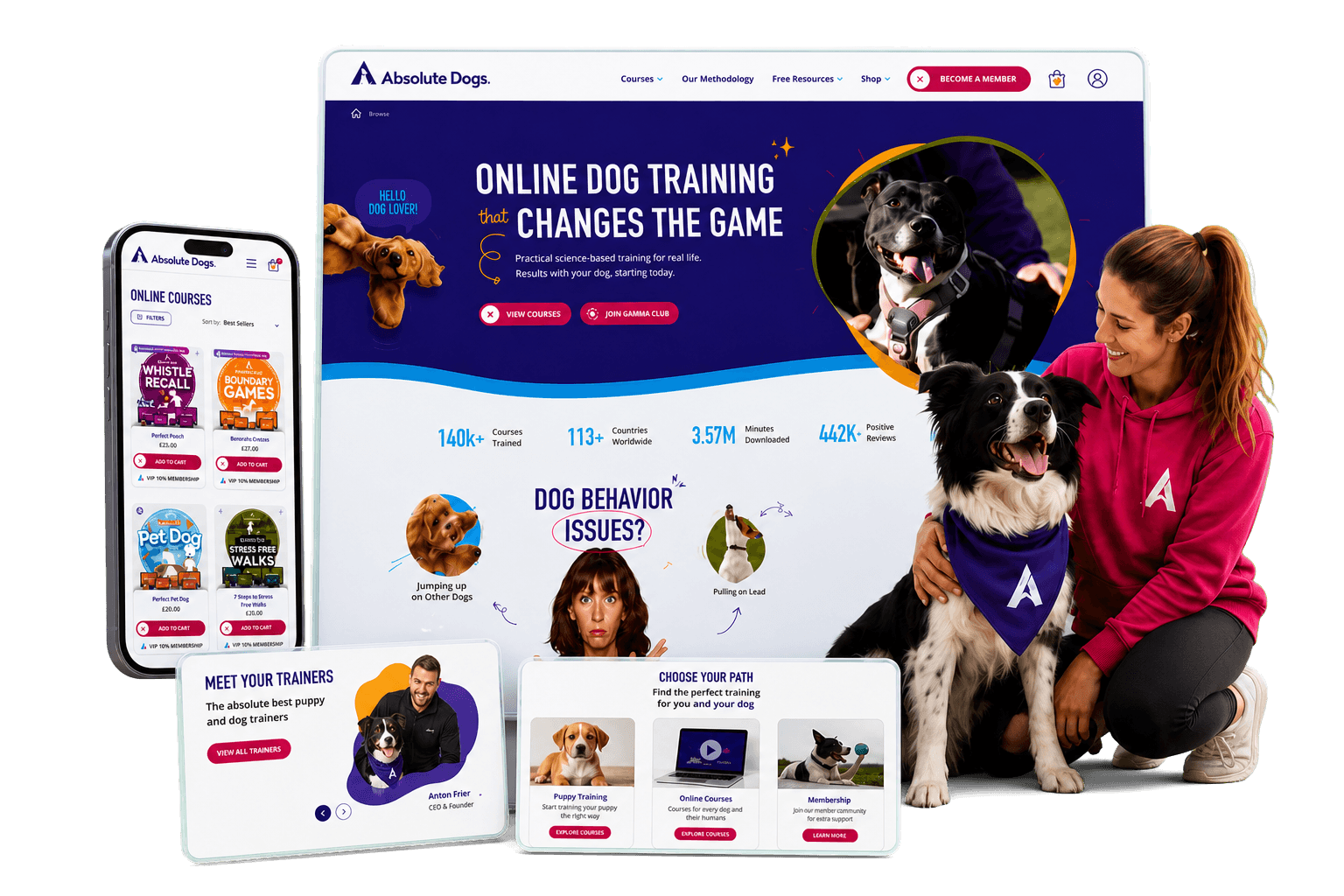
Absolute Dogs sells online dog training programs and resources for owners who want a science-based, reward-focused approach to training.
A fully custom Shopify build brought new messaging and rearchitected product collections, driving a 32.4% rise in organic search sessions and a 35.63% lift in completed purchases.
A fully custom Shopify build brought new messaging and rearchitected product collections, driving a 32.4% rise in organic search sessions and a 35.63% lift in completed purchases.
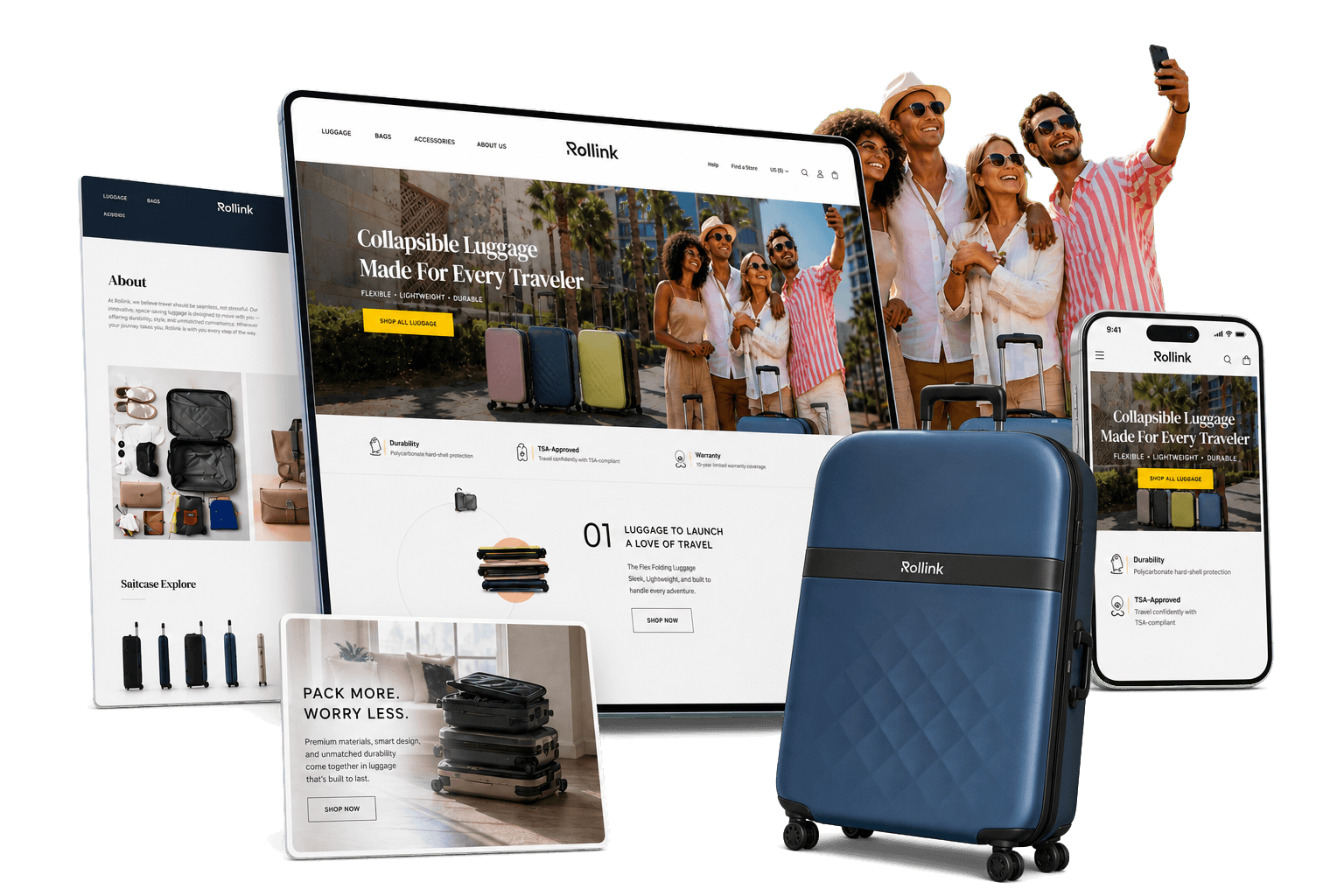
Rollink makes collapsible, space-saving luggage designed for travelers who need convenience without sacrificing durability.
Our team built a full eCommerce ecosystem covering brand strategy, WooCommerce design and SEO to support Rollink’s entry into the U.S. market, helping grow revenue 500% with 730K visitors and a $205 average order value.
Our team built a full eCommerce ecosystem covering brand strategy, WooCommerce design and SEO to support Rollink’s entry into the U.S. market, helping grow revenue 500% with 730K visitors and a $205 average order value.
Our eCommerce Web Design Process
Every store we build follows a structured path from strategy through launch.
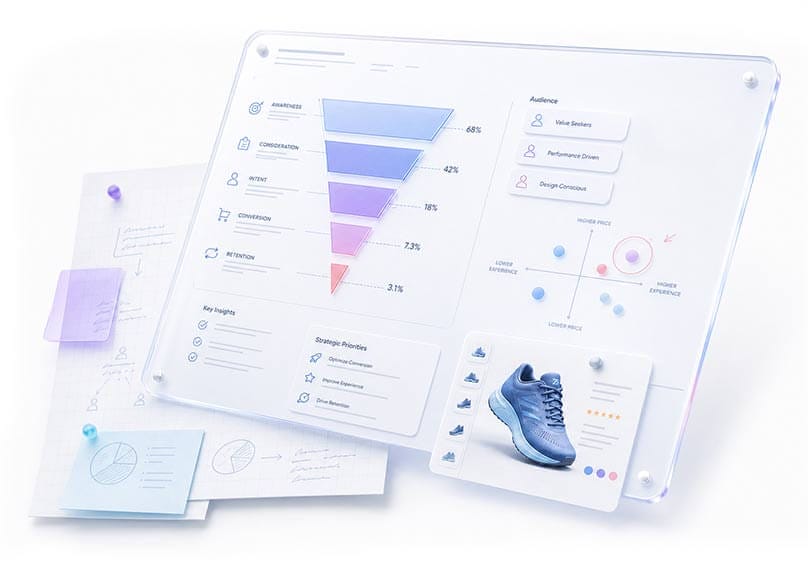
We start by learning your business. What you sell, who buys it, what’s working and what isn’t.
We define goals, identify your competitive edge and determine which eCommerce platform fits what you’re trying to build.
Everything our eCommerce web design company does after this point is based on what we figure out in this phase.
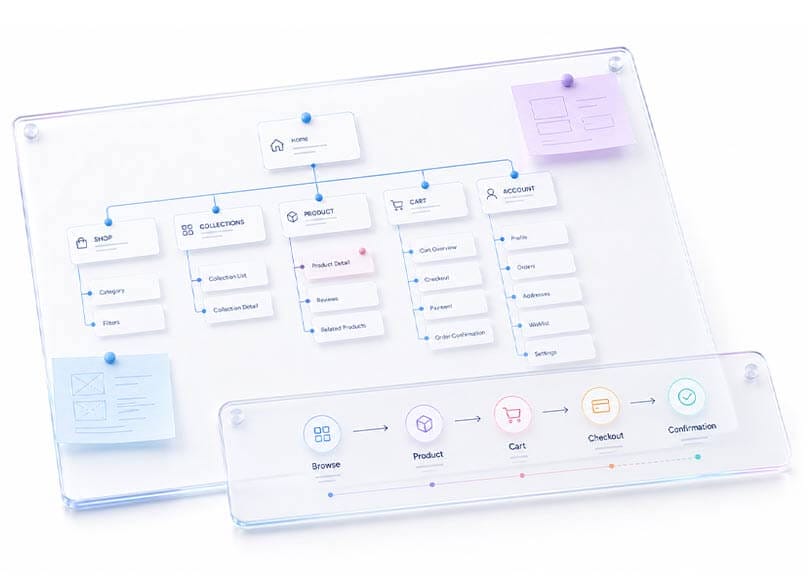
Navigation gets mapped before anyone opens a design tool.
Audience research shapes detailed wireframes, user flow and sitemap structures for every key page, including multi-language, multi-currency or regional setup if your store needs it.
This is where structure gets right, before design and development build on top of it.
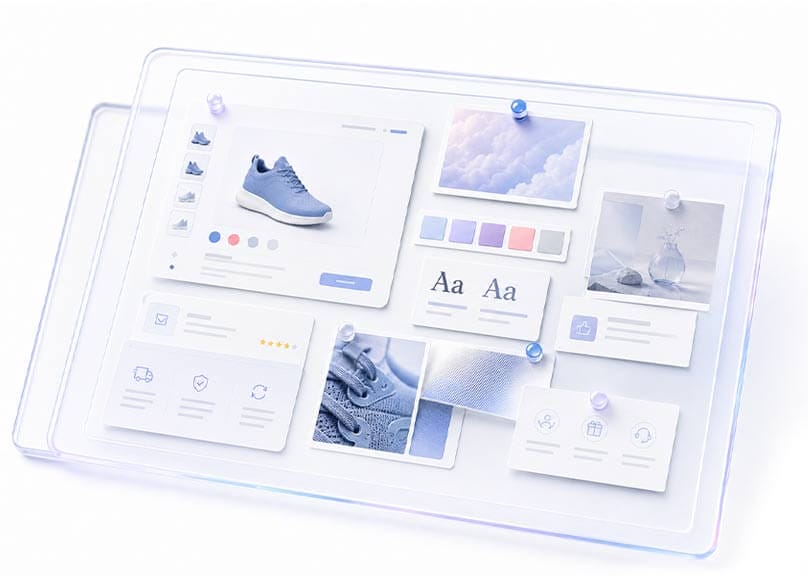
Some stores need a fully custom interface. Others work better with a tailored theme.
We figure out which approach fits your project and budget, then build out every screen with interactions placed where they help people buy.
Every screen goes through review with you before it moves forward, so nothing reaches development without your sign-off.
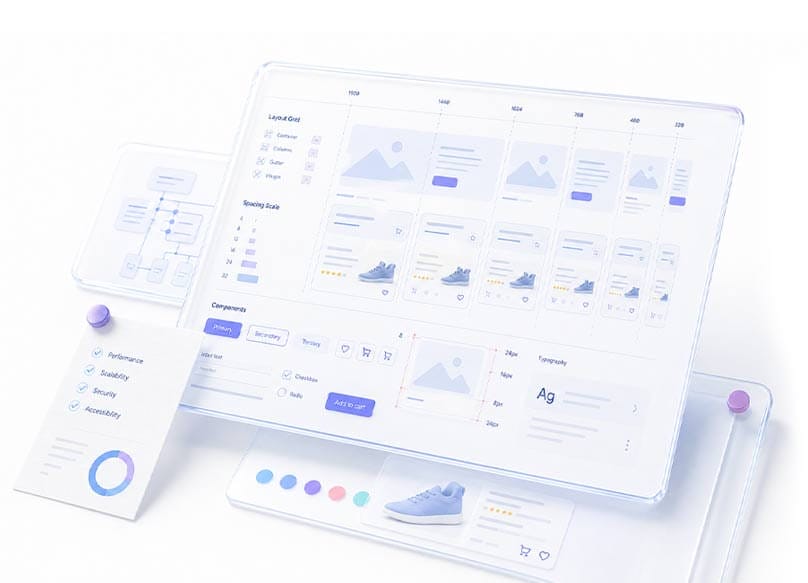
The approved design becomes a working store, not a static file.
Product catalogs, checkout logic, payment gateways, shipping rules and third-party integrations get built in, loading fast and looking right on every screen size.
Custom functionality gets built the same way, all under one roof.
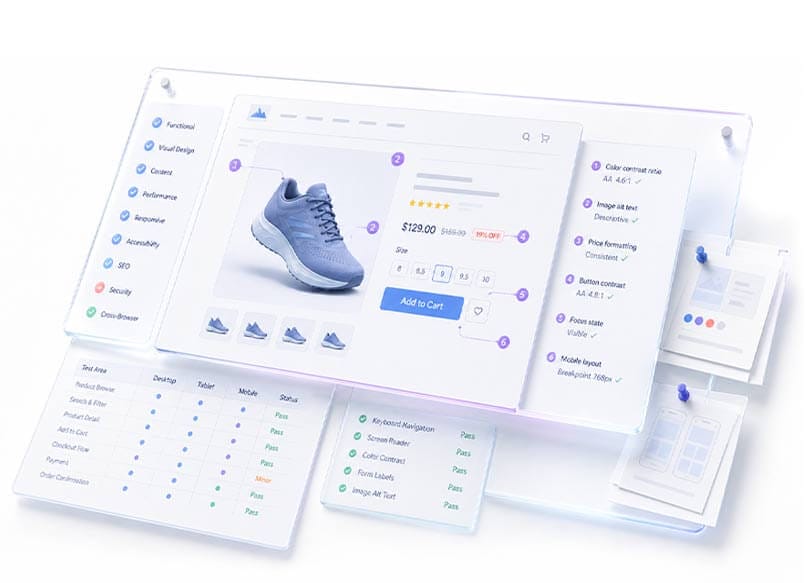
Nothing goes live until we’ve gone through the entire store ourselves.
We test across devices and browsers, running the checkout process multiple times and looking for anything that could get in a customer’s way.
A broken button, a slow page, a discount code that throws an error. We catch it before your customers do.
The store goes live once everything is signed off, with our team monitoring closely through the first few days after launch.
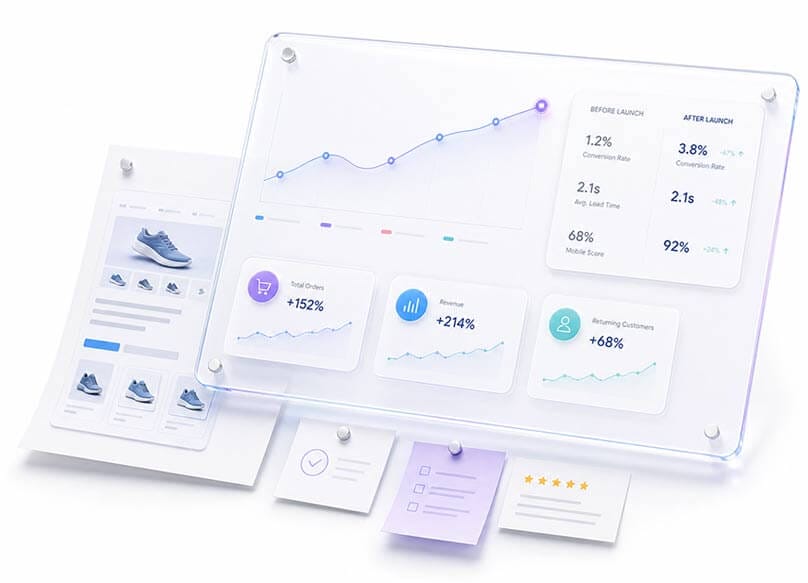
After things settle, attention shifts to performance: what pages hold attention, where visitors leave, which products get clicks but not purchases.
A launch isn’t the end of the project. It’s the point where we start using real data to keep improving the store.
ECOMMERCE WEBSITE MAINTENANCE & SUPPORT
Your Store. Always Up to Date.
Always Running.
Ongoing Platform Updates
Every eCommerce platform rolls out updates on its own schedule, and not all of them go smoothly.
We stay on top of each release, test it against your store and apply it so nothing breaks.
We stay on top of each release, test it against your store and apply it so nothing breaks.
Security & Performance Monitoring
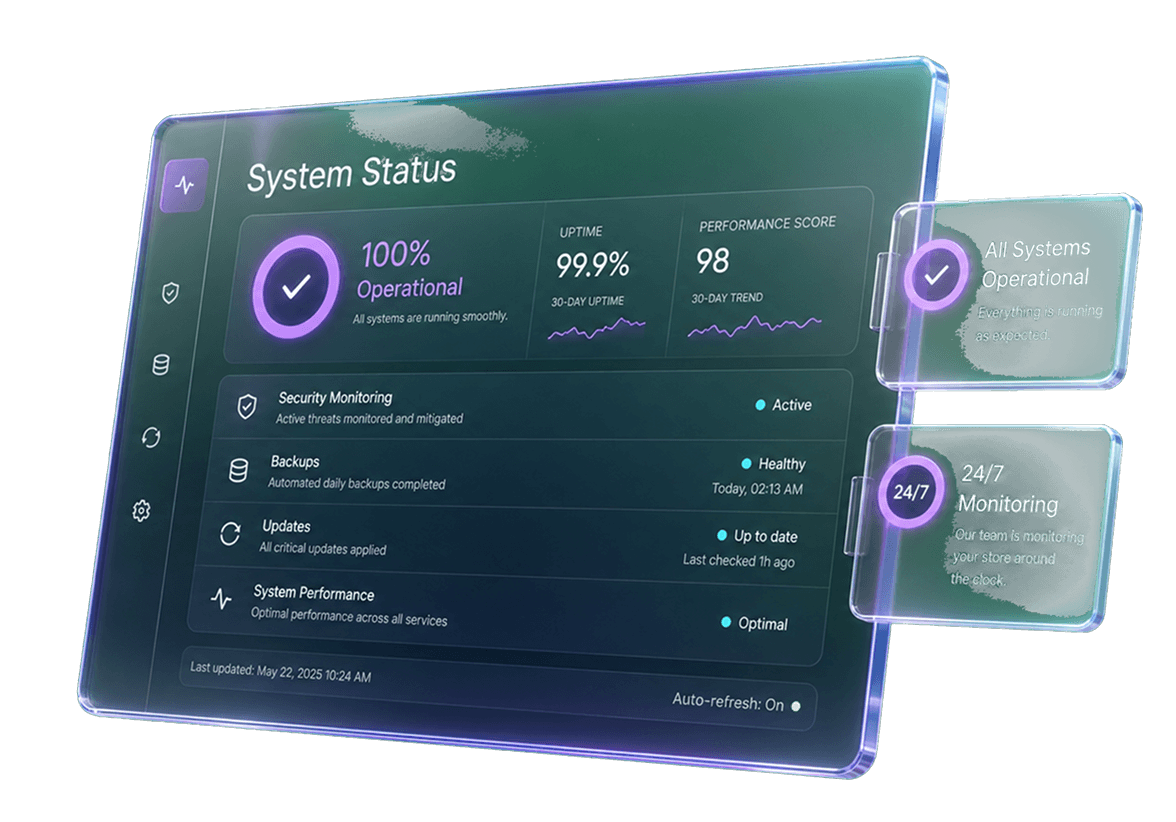
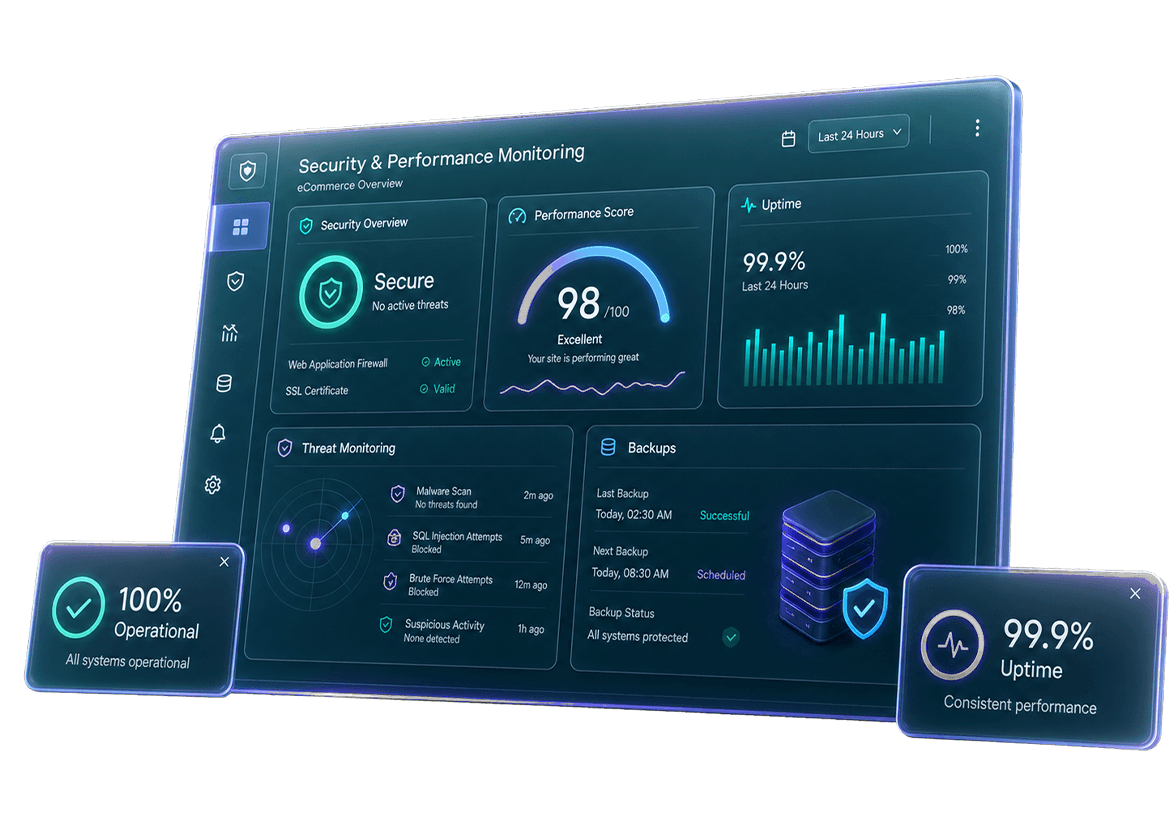
Slow pages and security gaps cost you sales.
We monitor your store continuously and step in the moment something looks wrong, before your customers notice a problem.
We monitor your store continuously and step in the moment something looks wrong, before your customers notice a problem.
New Features & Functionality
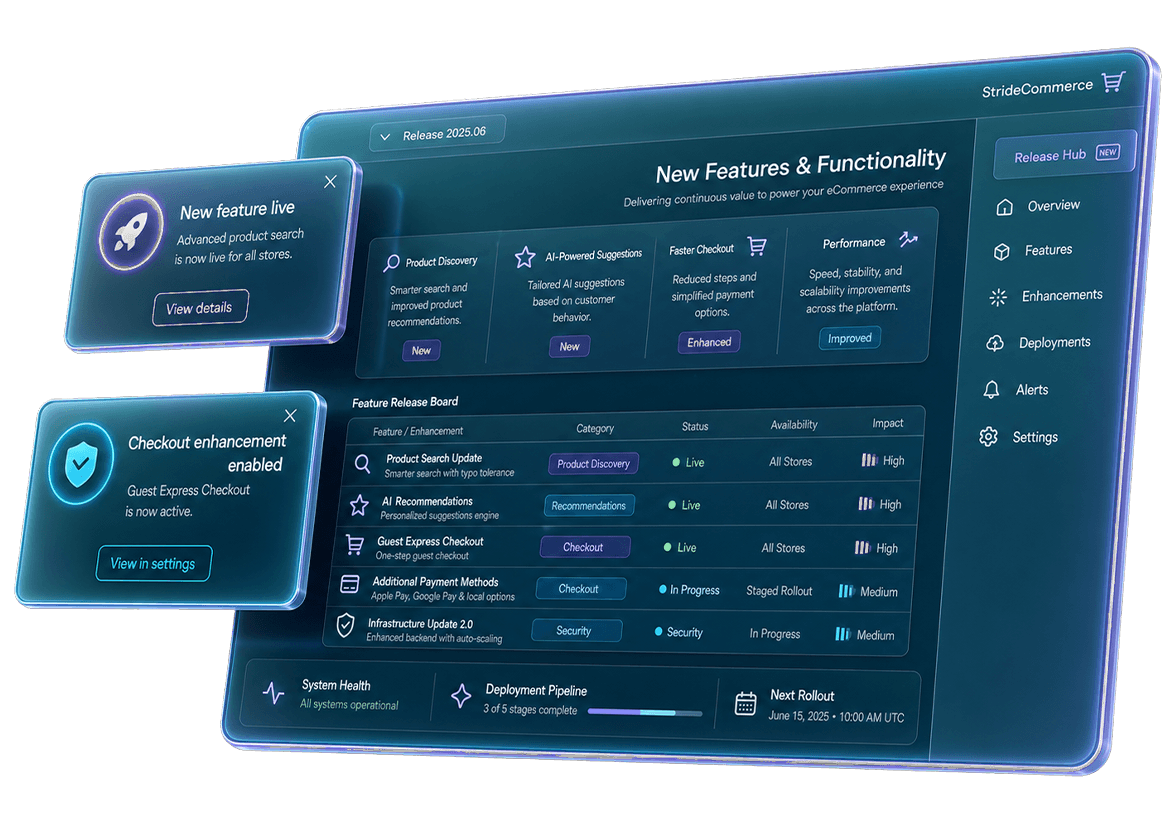
Six months after launch, your business won’t look the same as it did on day one. You might need a new payment option, a different shipping setup or a feature your competitors just added. We build and plug in whatever your store needs as things evolve.
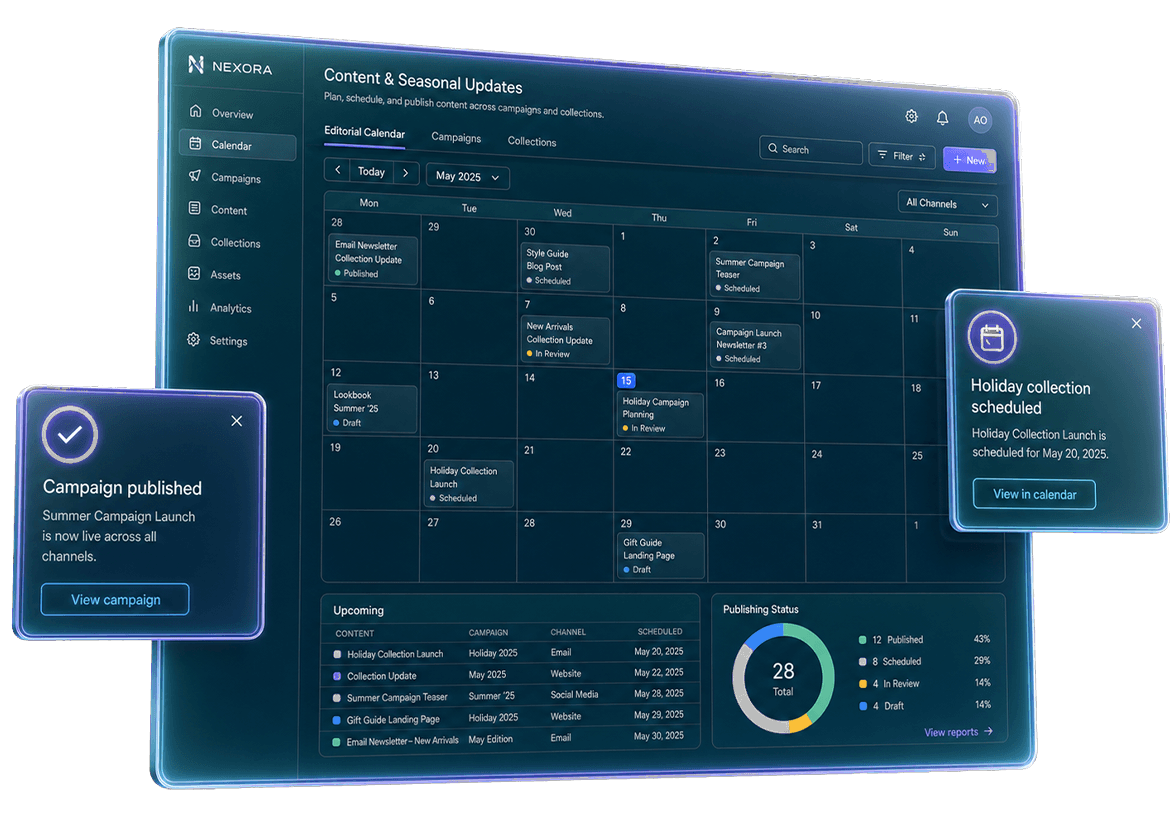
Content & Seasonal Updates
Seasonal moments move fast, and a homepage that doesn’t keep up loses relevance just as fast. We take care of content swaps, layout changes and campaign pages so your store stays current at all times.


eCommerce Web Design Company FAQs
How long do eCommerce projects take?
It depends. A simple eCommerce store can launch in a few weeks. Larger stores with custom design, integrations, complex catalogs or regional setups usually take a few months.
We look at the platform, product count, features, content and approvals before giving you a timeline, so you know what to expect.
How do I choose an eCommerce platform for my business?
Start with your catalog’s size, admin needs, checkout, shipping, integrations and future changes. Shopify is usually best when you want hosted eCommerce with payments, checkout and apps handled in one place. WooCommerce makes sense if your team already uses WordPress.
Magento, or Adobe Commerce, suits large catalogs, B2B pricing, multi-store setups and custom integrations. As your eCommerce agency, we’ll review your options and share our recommendations.
Can you integrate payment options?
Yes. We can set up Stripe, PayPal, Authorize.net, local payment gateways or a mix of providers, depending on what your business needs.
We also check the full payment process, including checkout, order confirmations, failed payments and transaction data.
Can you migrate my store from another platform?
Yes, we can migrate your products, customer records, order history, content and key store settings from your current platform.
We also handle URL mapping and redirects, so existing rankings and traffic are protected as much as possible.
Do you offer ongoing support and maintenance after launch?
Yes. After launch, we can support your store with security updates, platform maintenance, bug fixes, performance checks, CMS updates and new features.
We can also help with marketing, SEO, paid media, campaigns and content, so your store keeps improving after it goes live.
Will my store be responsive on mobile?
Yes, our experts design and test your store for phones, tablets and desktop screens.
We pay close attention to load speed, button placement, product images, forms and checkout steps so the store is easy to use on smaller screens.
Stay On Top Of Digital Trends
Subscribe to our newsletter to get the latest industry insights and web design best practices delivered to your inbox.
"*" indicates required fields
Take The Smart Road To
Digitizing your Business Growth
Start a conversation with us
"*" indicates required fields